7 Signs You Have Storm Damage on Your Roof
Key Takeaways
- Storms can damage your roof both visibly and internally, resulting in leaks and structural issues.
- Common signs include missing or damaged shingles, granule loss, and dents in metal components.
- Identifying issues early can prevent costly repairs down the road.
- Gutters, flashing, vents, and attic interiors often reveal storm-related damage.
- Interior warning signs like ceiling stains and attic mold often signal roof leaks.
- Even minor cosmetic damage after a storm can point to deeper structural problems.
7 Signs You Have Storm Damage on
Your Roof
From high winds to hail to driving rain, severe weather can really do a number on your roof. Sometimes, it leaves damage that you can’t see with the naked eye from the ground. It’s important to know what to look for once a storm has passed to ensure your home didn’t suffer any damage.
If you do notice damage, seek out the assistance of a roofing contractor in Manassas right away. If ignored, small issues can lead to much bigger ones that come with higher repair bills. Hail storms are no joke. In fact, hailstorms in this country cause an average of $15 billion in damage to cars, homes, and crops annually.
Check out these top signs that your roof may have sustained storm damage:
1. Missing or Damaged Shingles
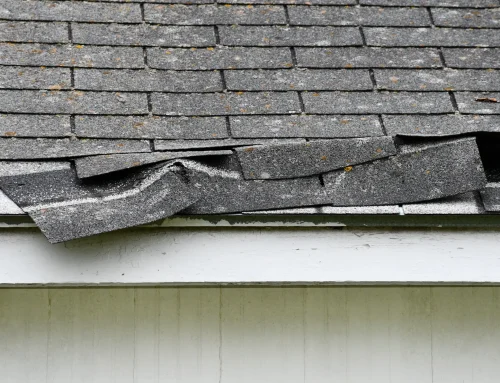
High winds and debris can loosen or rip shingles right off your roof. Look for compromised shingles that are missing, curling, cracking, or splintering. If you spot these signs, there could be invisible damage lurking underneath. If left unchecked, water can get underneath and penetrate the roof deck. Leaks can result from there.
2. Granule Loss
Granules act as a protective barrier against UV rays, while adding weight to shingles on your Manassas roof. After a hailstorm has come through the area, you may notice these granules piling up in your gutters or downspouts. Excessive loss leaves shingles vulnerable, rendering their job useless. Your shingles need the granules to provide proper protection for your roof and home.
3. Dented or Cracked Shingles and Metal Areas
Hail or flying debris can dent shingles, flashing, vents, gutters, and downspouts. While these incidents may seem like minor cosmetic issues at first, they can lead to deeper structural damage and compromised waterproofing if not addressed. If you notice any damage to these areas from hail, it’s important to have a professional VA roofer check out the situation.
4. Debris Accumulation
Storm damage can toss a lot of debris on your roof, such as branches, leaves, and acorns. If left to sit there, this debris can trap moisture, degrade roofing materials, and hide damage on the roof’s surface. It’s best to clear away this debris to see if any damage has occurred underneath.
5. Damaged Flashing, Vents, and Gutters
After a storm, take a look at the metal components around your skylights, chimneys, vents, and eaves. Leaks can start from warping, bending, or broken flashing and gutters, which can then lead to water damage inside your home.
6. Interior Water Stains or Leaks
If you spot water stains on ceilings and walls, sagging drywall or insulation, and visible drips in your home, take these as serious red flags. That means that moisture has penetrated through the roof and has now settled in your home. Mold and structural issues could result if not handled promptly.
7. Attic Mold, Mildew, or Sagging Decking
Head up into your attic and check for mold, damp insulation, or sagging roof panels. These could signal a leak or structural weakness caused by the storm damage.
Why Is Quick Detection So Important?
Anything from mold and rot to structural damage and high repair bills can result when you neglect storm damage. Even cosmetic metal dents or missing granules can spell big trouble for your roof and home over time. To be safe, here’s what to do after a storm:
- Conduct a basic visual inspection from the ground to look for missing shingles, debris, and granules.
- Head into your attic to check for damp insulation, stains, or sagging.
- Take photos to aid in insurance claims.
- Schedule a professional roofing inspection in Manassas VA if you notice any signs of damage.
Ignoring storm damage doesn’t make it go away. Get prompt attention to these matters to avoid leaky ceilings, moldy attics, damaged fascia, and structural weakness. Roof inspections after hail storms are always a wise idea to safeguard your property for years to come. Think about storm season as a call to action, and remain diligent against the warning signs of roof failure. You will be rewarded with peace of mind!