How Long Should Your Roof Last?
Key Takeaways
- Most residential roofs last between 20 and 50 years depending on material, climate, installation quality, and maintenance. Some last even more.
- Standard asphalt shingles last between 15 and 30 years, while metal roofs can last between 40 and 70 years.
- Slate and clay tile roofs may last more than 100 years with proper care.
- Poor ventilation, storm damage, and neglected maintenance can shorten a roof’s lifespan.
- Annual inspections and prompt repairs can help extend roof life.
- Warning signs such as curling shingles, granule loss, sagging, and interior leaks often indicate a roof is nearing replacement age.
Roofs take a lot of abuse no matter the material. The region’s weather can be unforgiving on homes, and the roof is the first line of defense. Indeed, it’s one of the hardest-working parts of your home, yet many people don’t give much thought to the roof until shingles fall off or it starts to leak.
It’s important to understand how long a roof should last so you can better budget for repairs, avoid costly water damage, and make smarter decisions when a replacement is needed. A roof’s lifespan goes beyond just material choice. Other factors include installation quality, ongoing maintenance, weather exposure, and attic ventilation. Your Virginia roofer can assess the condition of your roof over time and make suggestions on repairs and replacements based on these factors.
Average Roof Lifespan by Material
Different roofing systems are built for difference purposes, offering varying levels of durability, performance, and longevity. Let’s take a look at how long common roofing materials typically last in Virginia and surrounding areas.
Asphalt Shingle Roofs
The most popular and affordable option, asphalt shingles are commonly used thanks to their versatility and easy installation. Under normal conditions, most standard three-tab asphalt shingles last about 15–20 years, while architectural shingles usually last 25–30 years.
Extreme heat, heavy snow, hail, and poor attic ventilation can shorten the lifespan of asphalt shingles considerably.
In regions like Virginia that can experience severe weather changes all year long, even high-quality shingles may have to be replaced several years earlier than expected.
Metal Roofs
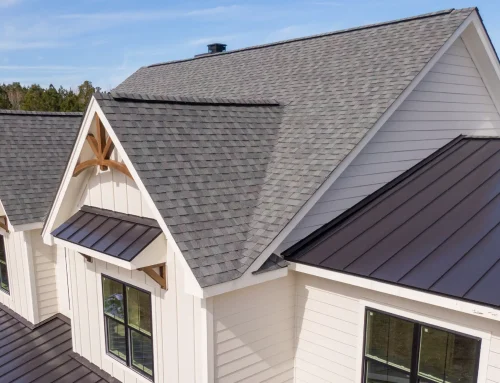
Metal roofing has become increasingly popular among homeowners who prioritize long-term value. Standing seam metal roofs generally last between 40 and 70 years, while premium metals like copper may last even longer.
Metal roofs resist fire, wind, and UV damage better than many traditional materials; plus, they are better at shedding snow efficiently while requiring less maintenance over time.
Metal roofs cost more initially, but the return on investment is longer and higher because they don’t have to be replaced nearly as often as shingles do.
Tile & Slate Roofs
Clay tile, concrete tile, and natural slate are among the longest-lasting roofing systems available today. Clay and concrete tile roofs can often last 50–100 years, while slate roofs may last 75–150 years or longer with proper care.
Their biggest downside is that they often need additional structural support in order to handle their heavy weight.
The outer material of tile and slate roofs last for generations; it’s the underlayment that often fails much sooner.
Flat Roofs
Flat and low-slope roofing systems are comprised of materials such as EPDM, TPO, or modified bitumen. Most flat roofs last about 15–30 years depending on the membrane type and maintenance schedule.
Because water drains more slowly on flat roofs, regular inspections are critical in preventing leaks and ponding water damage.
What Affects Roof Longevity?
Anything from installation quality and climate to ventilation and maintenance can all affect roofing system lifespan.
Installation Quality
You can choose the highest quality material for your roof, but if it’s not installed properly by a professional, it can fail prematurely. This can result from:
- Incorrect flashing
- Poor nailing patterns
- Inadequate underlayment
- Improper ventilation
Climate & Weather
Weather can threaten even the best of roofs. Because your home is exposed to heavy snow, strong winds, hailstorms, or prolonged heat often throughout the year, it can deteriorate faster than in milder regions.
UV rays gradually weaken shingles over time, while freeze-thaw cycles can create cracks and moisture damage. Coastal homes can also fall victim to salt exposure and higher humidity.
Ventilation & Insulation
Proper attic ventilation regulates temperature and moisture levels inside the home. Heat and humidity can build up beneath the roof deck when there is improper airflow. In turn, this can cause premature aging of asphalt shingles. Mold growth, wood rot, and ice dams during winter can also occur.
Maintenance Habits
How well you take care of your roof will impact its longevity. Regular maintenance is essential in optimizing roof lifespan. Failure to address problems when they are small can result in larger, more expensive problems later on.
Homeowners should:
- Clean gutters regularly
- Remove debris from the roof
- Trim overhanging tree branches
- Schedule annual roof inspections
- Address minor leaks immediately
8 Signs Your Virginia Roof May Need Replacement
No roof will last forever. Be on the lookout for these top warning signs that you may need a replacement soon.
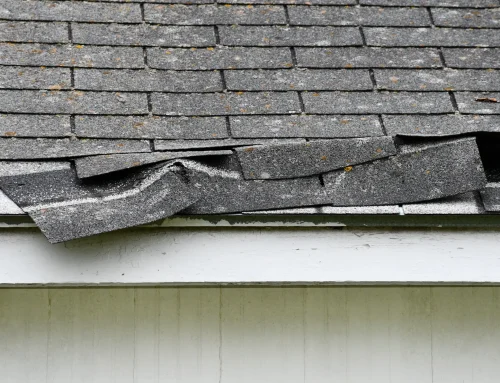
- Curling or cracked shingles
- Missing shingles
- Granules collecting in gutters
- Persistent leaks
- Water stains on ceilings
- Sagging roof sections
- Moss or algae growth
- Rising energy bills due to poor insulation performance
If your roof is old and you are noticing several of these warning signs, roof replacement rather than repair is usually the most cost effective option.
FAQs on Roof Lifespan
Q: How long should an asphalt shingle roof last?
A: Most asphalt shingle roofs last between 15 and 30 years depending on shingle quality, climate, ventilation, and maintenance. Architectural shingles generally outlast standard three-tab shingles.
Q: What type of roof lasts the longest?
A: Natural slate roofs are among the longest-lasting roofing systems and may survive well over 100 years when properly maintained. Clay tile and certain metal roofs also offer exceptional longevity.
Q: How often should a roof be inspected?
A: Most experts recommend professional roof inspections at least once per year and after major storms to identify damage before it becomes severe.
Q: Does weather affect roof lifespan?
A: Yes. Harsh weather conditions like hail, high winds, snow, intense heat, and UV exposure can significantly shorten roof lifespan.
Q: Is it better to repair or replace an aging roof?
A: That depends on the roof’s age and overall condition. Minor isolated damage can often be repaired, but widespread wear on an older roof may make replacement the more cost-effective option.
Q: Can proper maintenance really extend roof life?
A: Yes. Routine maintenance, gutter cleaning, ventilation improvements, and prompt repairs can add years to a roof’s life while reducing the risk of major damage.
Understanding What Impacts Roof Lifespan & Performance
In the end, how long your roof lasts will depend heavily on material choice, installation quality, weather, and level of maintenance. While some roofing systems may last only 20 years and others more than a century, regular inspections and timely roof repairs in Virginia can help maximize performance and prevent costly damage.