Quality vs. Cost: Why Choosing the Right Roof Matters
Key Takeaways
- Cheaper upfront doesn’t mean cheaper long-term; rather, lifespan and maintenance are the real drivers of cost.
- Roofing materials vary widely in lifespan, from 30 years (asphalt) to 75–200 years (slate).
- Metal, tile, and slate have a better ROI despite higher initial investment.
- Installation quality is just as important as materials when it comes to long-term performance.
- Energy efficiency and durability can greatly lower lifetime costs.
- The roof you choose will depend on local climate, budget, and long-term plans for the property.
If you’re considering a new roof for your Virginia home, your first thought may be: how much is this going to cost me? It’s natural to focus on price, as we all have budgets we have to adhere to. However, most homeowners make the mistake of concentrating on the price right now, rather than thinking of the long-term costs and ultimate savings.
Roofing is not a short-term purchase; it’s actually a long-term investment that protects your home, affects energy efficiency, and impacts resale value. The real question you should be asking yourself is: what is the value over time for the material I’m considering?
A roof that costs less today may require replacement twice as fast, costing far more in the long term. Today we’ll examine quality vs. cost when it comes to choosing a roof. Your roofing contractor in Manassas, Virginia, and beyond can provide great value in helping you understand the two.
Understanding Roofing Costs & Lifespans
Roofing materials vary widely in both upfront cost and lifespan. In general, the average roof lasts 25 to 50 years depending on material type, with asphalt shingles lasting 20 to 30 years and premium materials like slate and clay tiles lasting 100+ years.
- Asphalt shingles: 15–30 years, lowest upfront cost
- Metal roofing: 40–70+ years, mid-to-high cost
- Clay or concrete tile: 50–100 years, premium cost
- Slate roofing: 75–200 years, highest cost
Price will vary with the material you choose. For instance, asphalt shingles might cost under $10,000 on a typical home, while slate can exceed $25,000–$30,000.
You may take a look at the cheaper option and think it’s a no-brainer to go that route. However, don’t forget to divide cost by lifespan to give you a true picture of long-term costs.
The true cost of a roof is measured per year—not per project.
For example, asphalt shingles may cost less upfront but often require replacement every 20–25 years. Meanwhile, metal or tile roofs can last two to three times longer, reducing the need for future replacements.
Why Cheaper Roofing Can Cost More Over Time
From frequent replacement to energy efficiency loss, there are many reasons why cheaper roofing materials may end up costing you a lot more over time than if you had just gone with the higher-end material in the first place.
1. Frequent Replacement Cycles
A lower-cost roof often translates to a shorter lifespan. Let’s say you opt for an asphalt roof to save money initially. If you stay in your home for 40–50 years, you will have to replace it twice. You’ll essentially pay double the cost over the long-term than if you just installed the premium material once.
This frequency of replacement can ultimately increase the total cost of ownership over time.
2. Maintenance & Repair Costs
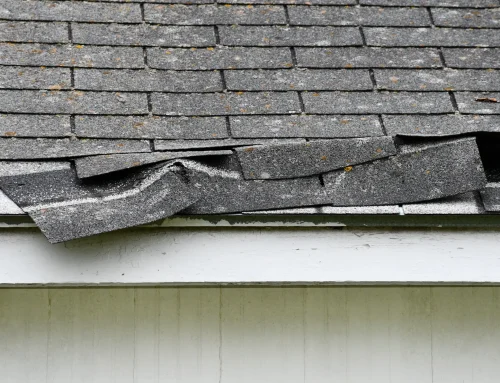
Lower-quality materials are at a higher risk of:
- Wind damage
- UV degradation
- Moisture intrusion
The repairs associated with fixing these issues can add up quickly in comparison with more durable materials that can better resist extreme weather with less ongoing maintenance.
3. Energy Efficiency Loss
Roofing plays a major role in your home’s energy performance. Cool roof materials, including metal, are designed to reflect more sunlight than a conventional roof, which means they absorb less solar energy, according to the U.S. Department of Energy. Cheaper roofs, such as asphalt, absorb more solar energy, quietly increasing your monthly utility bills for decades.
The Role of Installation Quality
Even the highest quality roofing materials will fail prematurely if they’re not installed correctly by a professional.
A poorly installed premium roof won’t outperform a properly installed basic one.
Roof performance depends on:
- Proper ventilation
- Underlayment quality
- Flashing and sealing
- Drainage design
Take some time to research your Virginia roofer before making a commitment. That’s because hiring the right contractor is just as important as choosing the right material.
Matching Roofing Quality to Your Goals
Not every situation will require premium roofing materials. What you ultimately choose will depend greatly on:
- Whether You Plan to Stay Long-Term: Higher-quality materials such as metal, tile, or slate often provide the best value. So if you plan to stay in your home for decades, these materials are ideal thanks to their lifespan and lower maintenance needs.
- Whether You Plan to Sell Soon: If you plan to sell your home in the next few years, a more affordable option like architectural shingles makes more sense. You’ll get solid performance without the higher upfront investment.
- If You Live in Harsh Climates: Climate greatly impacts roof lifespan, with hot climates accelerating UV damage to asphalt shingles and coastal salt spray corroding metal components faster than inland locations, says This Old House. As such, materials like metal or tile perform better in extreme heat, storms, and high winds.
Roofing: A Long-Term Investment
A roof is so much more than just a protective layer; it’s a financial decision. In general, higher-quality roofing is a better overall choice thanks to its:
- Lower lifetime cost
- Fewer disruptions from repairs
- Better energy efficiency
- Increased home value
Common Mistakes Homeowners Make
Mistake #1: Focusing Only on the Estimate
The lowest quote doesn’t account for long-term costs like repairs, replacements, and energy use.
Mistake #2: Ignoring Climate Factors
A roof that performs well in one region may fail faster in another due to heat, humidity, or storms.
Mistake #3: Overlooking Installation Details
Cutting corners on labor or materials like underlayment can dramatically shorten a roof’s lifespan.
In the end you may want to shift the question you ask yourself from “What’s the cheapest option?”, to “What will this roof cost me over the next 30–50 years?” Choosing between quality and cost isn’t a choice so much as a balance. Always weigh both upfront affordability and long-term performance before choosing a roofing material for your Virginia home.