Is Your Roof Ready for Spring? What To Check Before Storm Season Hits
Key Takeaways
- Winter damage weakens roofing materials long before spring storms arrive.
- Early roof inspections help prevent leaks, structural issues, and costly emergency repairs.
- Flashing, gutters, shingles, and attic ventilation should all be in good shape for spring.
- Addressing small issues before storm season boosts roof lifespan and home protection.
With the hope of spring on the horizon, it’s time to start thinking about outdoor projects such as landscaping and cleaning. Your roof is a big part of this spring readiness plan. Virginia’s winter weather can take a big toll on your roofing system, and spring storms can expose damage that’s been hiding for months. Connect with a trusted Manassas roofer to evaluate your exteriors before storm season hits so you can prevent leaks, interior damage, and expensive repairs.
How Winter Impacts Your Roof
Snow, ice, freezing temperatures, and fluctuating conditions can wear down your roofing materials.
- Winter brings ice dams that cause a buildup of water under shingles.
- Freeze-thaw cycles loosen fasteners.
- Heavy snow loads stress out structural components.
Even if you don’t see obvious signs of leaks, that water damage could still be lurking beneath the surface. Spring rain and wind can bring these issues to the forefront. It’s important to check your roof for signs of damage before spring approaches so you can take care of concerning issues before severe weather has a chance to increase the risk of failure.
1. Inspect Shingles and Roofing Materials
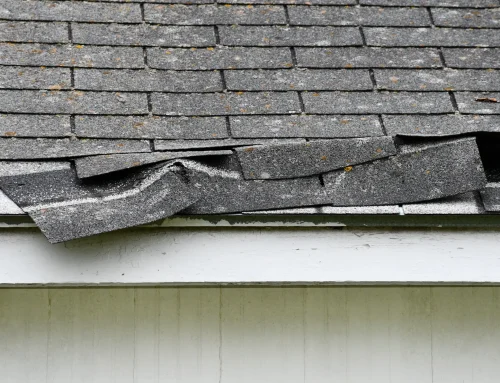
Be on the lookout for cracked, curled, loose, or missing shingles. Granule loss is common during winter, which detracts from the efficiency of your shingles. You may see a buildup of these granules in your gutter. It’s a sign your shingles are no longer able to do their jobs.
If you have a metal roof, check for loose panels and fasteners, or signs of corrosion. If you have a flat or low-slope roof, check it for cracks, bubbles, or ponding water.
2. Check Flashing and Roof Penetrations
Flashing, installed around chimneys, vents, and skylights, is designed to keep water out at these vulnerable intersections. Because temperature changes can cause flashing to separate or crack, these areas are at a higher risk of leaks. Dried or failing sealants leave gaps where water can enter.
With the driving rains of spring, water can infiltrate compromised flashing. Check that these areas are intact so your home stays dry.
3. Assess Roof Ventilation and Drainage
Proper ventilation in your attic regulates temperature and moisture levels, which reduces wear and tear on your roofing materials. Improper ventilation causes winter condensation to build up, which can then lead to mold growth and wood rot. This spring, make sure your vents are clear and functioning correctly.
If you have a flat or low-slope roof, check for proper water flow in your drainage systems. If you spot standing water after a rainfall, have your roofer in Manassas investigate further.
4. Clean and Inspect Gutters and Downspouts
Gutters protect your roof and foundation by directing water away from the home. But in winter, they get clogged with debris such as leaves, shingle granules, and ice residue. When gutters get blocked, water can’t get through and leaks occur.
Your gutters should be securely attached, free of debris, and properly sloped toward downspouts, which will prevent pooling and water intrusion.
5. Look for Signs of Interior Damage
Next, turn your attention to your interiors. Check ceilings, attic spaces, and upper walls for water stains, peeling paint, or discoloration. These signs of leaks often worsen during spring storms.
Then, head up to the attic and take a look at your insulation and wood framing. Be on the lookout for signs of moisture, mold, or rot. Make sure you have enough, or else moisture can get trapped and accelerate roofing deterioration.
Schedule a Roof Inspection Repair Before Storm Season
Spring storms often hit quickly and with little warning. From heavy rain to strong winds to hail, your roof could be vulnerable to damage and leaks if you don’t take care of repairs early on. Before spring arrives, book a professional roof inspection to address problems before the weather becomes even more unpredictable. Making small repairs now will prevent larger issues from spiraling out of control later. Being proactive is the name of the game, as you’ll get peace of mind knowing your roof is protected throughout spring and every other season.
Give Your Home the Protection it Deserves
As your home’s first line of defense against the weather, it’s important to protect your investment, especially in the face of spring storm season. It’s time to address winter damage, improve drainage, and ensure all components are functioning well. This will protect your home against leaks, stress, wear and tear, and structural issues.