Do Solar Panels Still Work in Cloudy Weather?
Switching to solar brings many benefits to the average homeowner. Not only does installing solar panels in Winchester VA save you money on your energy bills, they increase your property value and protect your home against increasing utility costs in the future. But one big question many people have when considering solar panels is: will they still work in cloudy weather?
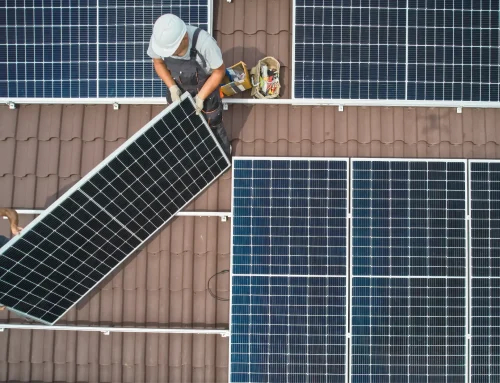
In short, solar panels will still work in cloudy weather, but there are some things you should understand about their performance and efficiency under such conditions. Your best bet is to partner with a trusted solar panel roofer in Manassas VA as you contemplate this project. They will be able to make recommendations on placement and amount, as well as provide information on backup energy sources to augment the panels.
Cloud Cover and Its impact on Solar Panel Efficiency
Cloudy days can reduce the efficiency of solar panels; however, this doesn’t mean they stop working completely. The level of reduction will depend on these factors:
- Type of Cloud Cover: Thick, dark clouds that completely block out sunlight have a greater effect on their performance than light, wispy clouds. Even on days when cloud cover is intermittent, solar panels will still get enough light to generate power. However, output can be lowered by up to 90 percent on heavily overcast days.
- Location: The location of the solar panels will determine how much power they can realistically produce on cloudy days. Areas closer to the equator, for instance, will have fewer severe drops in energy production during times of cloudy weather. On the other hand, regions with more frequent storms or longer winter seasons will experience a more noticeable reduction in power generation with overcast skies.
- Seasonal Variations: During times when days are shorter, or during the winter months and rainy seasons, there is less sunlight, which will hamper the pane’s ability to produce power. In this case, homes with solar installations can rely on backup grids or battery storage systems to meet their energy demands during rainy and cloudy periods, or at night.
- Panel Efficiency: The type of solar panels you have will affect their performance in cloudy conditions. From monocrystalline to polycrystalline to thin-film, each type of solar panel has different efficiencies in varying lighting conditions. For example, monocrystalline panels perform better in low-light conditions compared with polycrystalline panels. As such, those would be better suited for areas with a lot of cloudy days.
A Brief Look at the Science
Even though direct sunlight is the best-case scenario for solar panel efficiency, sunlight is still present on cloudy days. In other words, diffuse light (sunlight scattered by the atmosphere) still reaches your solar panels, which are designed to capture both direct and diffuse sunlight. In a nutshell, this is why solar panels still work on cloudy days.
Storage and Backup Systems to the Rescue
To pick up the slack, energy storage solutions, such as solar batteries, can store excess energy produced by solar panels on sunny days for later use. On cloudy days, stored energy can be tapped into to meet the demand. Especially helpful during extended cloudy periods, solar batteries offer a reliable backup energy source that allows homeowners to become less dependent on the grid overall.
Some solar systems are integrated with your local electricity grid so that you can draw power from there when solar energy production is low. As a result, you can enjoy a constant supply of electricity no matter what the weather is doing.
Other Solutions
The size and orientation of the solar panel installation can also help during cloudy weather. For example, you may be able to increase the number of panels or adjust their angle to optimize exposure to sunlight, thus mitigating the effects of cloudy weather.
It’s also important to regularly maintain your solar panels. This includes routinely removing dirt or debris on the surface, which can reduce efficiency.
In conclusion, solar panels will still work in cloudy weather, but their energy output will be lower compared with sunny conditions. But while overcast skies do reduce the amount of sunlight that hits the panels, they do not eliminate their ability to generate electricity completely. Thanks to technological advancements, solar power continues to be a viable energy source on cloudy days.
Book a FREE Solar Assessment Today!
Request a free solar assessment to upgrade your home and start experiencing savings today. Here at NVB Contracting, we use the latest technology and highest quality materials to ensure your solar power system in DC is efficient and reliable – even in cloudy weather. Offering customized solutions that fit your specific needs, we can help you transition to renewable energy by installing solar roofing panels.