How Solar Works: A Guide for Homeowners
In the face of escalating energy costs and environmental awareness, more and more Virginia homeowners are looking into sustainable ways to power their homes. That’s where solar energy comes in – a readily available, efficient, and accessible solution. In Winchester VA and surrounding areas, solar power is a desirable option thanks to advanced technology, financial incentives, and a trend toward reducing carbon footprints.
That may all sound well and good. But how do solar systems actually work? It’s important to do your homework beforehand if you’re considering adding a solar energy system to your home.
Solar Energy: Defined
Solar energy, in a nutshell, is radiant light and heat harnessed from the sun. Also known as photovoltaic (PV) systems, solar panels convert this energy into usable electricity. Installed on rooftops or open land to ensure optimal sunlight, solar panels offer homeowners in Winchester VA and beyond a practical and eco-friendly way to enjoy long-term energy savings.
Solar energy is desirable for many reasons. Not only is it renewable, abundant, and sustainable, it does not produce harmful emissions or deplete natural resources like fossil fuels do.
What Comprises a Solar Power System?
A residential solar system features many components that work in conjunction to harness, generate, and deliver electricity to the home.
1. Solar Panels (Photovoltaic Modules)
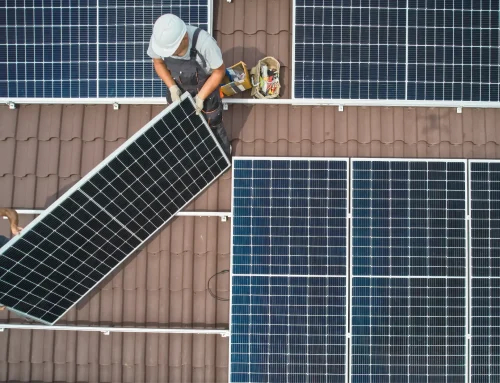
The solar panels form the visible part of the system, comprising several solar cells that are responsible for converting sunlight into direct current (DC) electricity. They are usually mounted on rooftops facing south to maximize sun exposure, according to the U.S. Department of Energy.
2. Inverter
Inverters convert the DC electricity produced by the panels into AC power, which can then help to power your household appliances and electronics.
3. Metering Equipment
The two main types of meters used include:
- Net Meter: This meter tracks how much electricity you use, as well as the amount your solar panels produce. Excess energy that results when your system generates more than your home consumes is sent to the grid. Your account is then credited that amount.
- Production Meter: This meter measures the amount of electricity your panels generate.
4. Mounting System
This structure is what secures your panels to the roof, able to withstand wind, snow, and rain.
5. Battery Storage
An optional component, home battery systems store excess electricity generated during the day. That energy can then be used at night, during power outages, or during prolonged periods of cloudy or rainy weather.
Why Does It Make Financial Sense To Go Solar?
From lower energy bills to high return on investment, there are many financial benefits of switching to solar.
1. Lower Energy Bills
Generating your own electricity allows you to greatly reduce or even eliminate monthly utility bills.
2. Federal Solar Tax Credit
Homeowners can deduct a percentage of the cost of solar system installation from their federal taxes as part of the federal Investment Tax Credit (ITC). In 2025, the credit is still at 30 percent, which helps to lower upfront installation costs.
3. Return on Investment
Most solar systems will pay for themselves within six to 10 years, with a lifespan of up to 30 years.
4. Increased Home Value
Homes that feature solar energy systems sell faster and at higher prices (four percent more) than homes that do not have solar, as today’s prospective buyers place a priority on energy efficiency and lower utility costs.
Solar Energy: Powering Your Home
Wondering how solar energy would work for your home? Here a look at the process:
- Sunlight reaches the panels: The photovoltaic cells generate DC electricity when sunlight hits the solar panels.
- Conversion to AC power: The inverter transforms that DC power into usable AC electricity.
- Powering your home: The AC electricity powers your lights, appliances, and electronic devices.
- Surplus is sent to grid: Any surplus goes back to the utility grid so you can get energy credits.
- Drawing from the grid as needed: During times of low solar production, such as at night or on cloudy days, your home will draw electricity from the grid, or battery if you have one.
Winchester VA and surrounding areas possess favorable conditions for solar power for the following reasons:
- Ample sunlight: This area gets about 200+ sunny days per year.
- Supportive state policies: Virginia supports renewable energy through state tax incentives, net metering, and solar renewable energy certificates (SRECs).
- Local utility programs: Some local utility companies offer solar rebates or buyback programs that can reduce installation costs even more.
Before adding a solar system to your home, you’ll need to consider your roof orientation, any shade you get from nearby trees or buildings, and the condition of your roof. Rest assured, a professional VA solar contractor can perform a site assessment to determine the best configuration.