Your Guide to Filing a Home Insurance Claim
Key Takeaways:
- Hire licensed professionals for inspections and repairs.
- Assess and document all damage prior to making any repairs.
- Take photos and videos to support your claim.
- Contact your insurance provider promptly to start the process.
- Work with your contractor to guide you.
- Review your policy to understand what’s covered.
- Keep all receipts and records throughout the restoration.
- Be ready to negotiate if the initial settlement is too low.
When a severe storm hits your area and your home is left damaged, it can be stressful and overwhelming figuring out where to start. From flooded basements to smoke damage after a kitchen fire, a home restoration in Manassas VA by qualified professionals will be necessary to get you back on track.
A key part of that process is to file an insurance claim, which can be daunting in its own right. That’s why you need a DC contractor on your side to guide you through the process and get the most money possible to cover your restoration. First, we’ll briefly go over the process then walk you through a more in-depth analysis.
A Proven 5-Step Process:
- Schedule a home inspection: After experiencing storm damage, whether due to hail, wind, or rain, the first step is to schedule an inspection with your Virginia roofer. They will assess storm-related damage and determine potential coverage.
- Meet with the adjuster: Your home restoration team will coordinate directly with your insurance adjuster, advocating on your behalf to ensure nothing is overlooked.
- File the documentation: Your contractor will then help you prepare and submit the required proof of loss and related paperwork and photos to support your claim.
- Receive an estimate: The contractor will provide you with a detailed, insurance-compliant cost estimate that addresses your home’s unique needs.
- Finalize and approve the claim: Your roofer will work with your insurer to finalize the approval process. Many times, the only out-of-pocket cost you will have to cover will be the deductible.
From Damage to Restoration: What To Do
Here’s an overview of what to expect, from when the damage occurs to the final settlement and home restoration.
Safety Comes First
A storm happened and you suspect damage was done to your home. Now what? Before you take a closer look at the damage, make sure your home is safe to enter. If you notice structural damage, electrical hazards, or standing water near outlets, call a DC home restoration company to evaluate the area. If you sense an immediate risk, call local emergency services.
Document the Damage
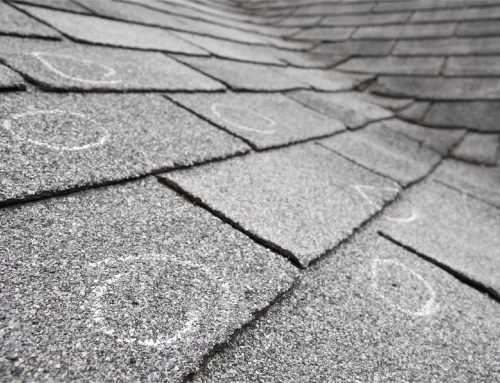
Take photos and notes of all damage as soon as possible. Your insurance adjuster will need this when evaluating the claim later. Your roofer in Manassas can help with this step, taking photos and submitting directly to the insurance company. Here are some tips:
- Take wide-angle photos of damage.
- Get close-ups of damaged furniture, walls, flooring, and personal belongings.
- Keep a written inventory of damaged or lost items, including when you purchased them and what you believe their value to be.
Review Your Insurance Policy
Review your homeowners’ insurance policy before calling so you know what your coverage is. Look at:
- Coverage limits
- Deductibles
- Exclusions (flood or mold may be excluded or require separate riders)
- Time limits to file the claim
Reach Out to Your Insurance Company
Notify your insurer via a 24/7 claim lines or online portal. You will need to give them:
- Your policy number
- Date and time of the storm damage
- Description of the damage
- Photos, videos, receipts, and other relevant documents
You will then be given a claim number, and an insurance adjuster will be scheduled to visit the property. They will be your liaison from here on out.
Prevent Further Damage
Most policies require you to prevent further damage through mitigation, such as:
- Boarding up broken windows
- Tarping a damaged roof
- Shutting off water to stop leaks
Do not make permanent repairs yet. The insurance adjuster should inspect the damage in person first.
Meet With the Adjuster
Your insurance adjuster will schedule a time with you to visit the home. At that time, you can show them the damaged areas, share your documentation, and ask questions about next steps.
They will then evaluate the claim, estimate repair costs, and determine what is covered, after which time you will receive notification on their findings.
Get Repair Estimates
Call a licensed home restoration contractor in DC who specializes in water, fire, or structural repairs. You can choose from the insurance company’s list or select whomever you choose. Your contractor will:
- Provide the insurer with itemized repair estimates
- Coordinate directly with the insurer
- Ensure work complies with code and insurance requirements
As the work progresses, keep detailed records of contractor invoices and receipts, temporary living expenses, and any letters from your insurance provider. If a dispute arises later, this documentation will prevent confusion.
Review the Settlement Offer
After the insurer completes their review, you will receive a settlement offer. Usually, the first portion is paid out initially to begin repairs, with a final payment issued after the work is completed.
You don’t have to accept the first offer you receive. If you think it’s too low, you can request another inspection, submit additional estimates, or hire a public adjuster to advocate on your behalf on your own dime.
Finalize Repairs and Close the Claim
After the repair work has been done, the insurer may send an inspector to verify the repairs. Once all outstanding bills are settled and all reimbursements have been received, the claim will be closed.
Filing a home insurance claim can seem overwhelming, stressful, and complicated. But with the right home restoration company on your side, it’s possible to navigate the process seamlessly.