Are Solar Panels Worth the Investment?
Key Takeaways
- While solar panels require upfront costs, you can expect payback in 5–12 years, depending on electricity rates, incentives, and system size.
- Over 20 to 25 years, solar systems provide significant savings and can increase property value.
- Panels remain effective in cold, cloudy, and even snowy conditions; however, their performance may be reduced due to less sunlight or snow cover.
- Proper installation and maintenance are needed to maximize returns.
- Incentives, rebates, net metering, and energy storage can provide additional money savings.
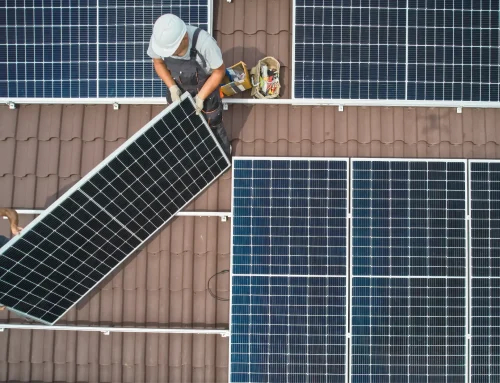
Virginia homeowners looking to reduce their energy bills and gain more energy independence often turn to solar panels for their roofs. This increasingly popular option can be worth the upfront cost over time, especially when installed properly by a professional roofer in Manassas VA with specific experience in solar panel system installation.
Today let’s explore the financial, environmental, and practical aspects of solar panels and how you can ensure your investment will pay off over the long term.
Money Savings and ROI
From utility bill savings to incentives and subsidies, there are many benefits associated with installing solar panels on your Winchester home.
- Utility Bill Savings: Because solar panels generate electricity that you can use for your household, you don’t have to buy as much from the grid.
- Incentives and Subsidies: Federal, state or local rebates, tax credits, and incentives can lower costs and improve returns.
- Property Value Upside: Solar panels can increase a home’s value by five to 10 percent, according to NerdWallet.
- Long-Term Savings: Solar panels have low maintenance costs, further reducing lifetime utility bills.
- Fixed Costs vs Rising Rates: In light of ever-increasing utility rates, you can “lock in” your power generation with solar panels to offset future price hikes.
Other Long-Term Advantages
Solar panels are good for the environment, resilient, and reliable over the long haul. Key considerations include:
- Lower Carbon Footprint: Solar energy technologies do not produce air pollution or greenhouse gases when operating, says the U.S. Energy Information Administration. Additionally, every kilowatt‑hour you generate reduces reliance on fossil fuels.
- Energy Independence: When you generate your own electricity, you increase your energy independence, guarding against the risk of grid outages and rising energy prices.
- Reliability: Modern solar panels are durable and reliable, with many coming with 25-year warranties or more.
Drawbacks of Solar
As with anything else, solar panels do have their limitations. Solar panels may not be right for you if:
- Your roof is in complete shade.
- Your roof is not strong enough to support the weight of panels. You can find this out through a roof inspection.
- Your roof is poorly oriented (not south-facing).
- The cost in your area is high for installation, permitting, and connection.
- You don’t have access to good tax incentives, net metering, or energy buy-back arrangements.
- You’re planning to move in the next couple of years.
- You aren’t willing to perform regular maintenance, such as cleaning dirt and clearing snow.
Do Solar Panels Still Work in Winter Weather?
A big concern for Virginia homeowners when considering solar panel installation is whether they will work effectively in wintry or snowy weather. This is a valid concern, but rest assured: solar panels still work in cold, snowy, and shorter-day conditions. That said, here are some considerations to think about:
- Solar panels may actually operate better in cold temperatures, as this allows them to convert sunlight more efficiently.
- Winter brings fewer daylight hours and the sun is lower in the sky, meaning less sunlight hits the panels. The result? Total output is reduced.
- Solar panels still produce electricity even when it’s cloudy out. Diffuse sunlight still hits the panels, it’s just not as much as you would get with full sunny days in summer.
- Typically, you don’t have to worry about light snowfalls, as the snow usually melts and slides off your panels. This is due to the dark surface of your panels, which absorbs light and causes melting.
- Heavy snow cover, on the other hand, will reduce efficiency and will need to be cleared. Clearing snow off your panels will also reduce stress that could damage them in extreme cases. However, keep in mind that many solar panel systems utilize durable, heavy-duty racking and frame materials to withstand most snow loads.
Solar Panels: A Smart Investment
At the end of the day, solar panels are a smart investment for many homeowners, provided certain conditions are met. With their year-round performance backed by attractive local incentives, you can take advantage of energy savings with a system that’s been smartly designed and properly installed.