What to Know Before Installing Solar Panels on Your Home
Key Takeaways
- Solar panels can reduce long-term energy costs, but require a large upfront investment.
- Your roof’s condition, orientation, and shading all affect system performance.
- Local incentives, tax credits, and policies can greatly impact overall affordability.
- Financing options vary and can influence your total savings over time.
- Proper planning ensures your system delivers maximum efficiency and long-term value.
If you’re considering an energy efficient upgrade for your home, a solar panel system is one of the best ways to go about it. This impactful upgrade brings both financial and environmental benefits that can help you save on energy bills while watching your carbon footprint. However, it’s not as simple as installing panels and watching your electric bills shrink.
There are many considerations to think about beforehand, from upfront costs to roof suitability. Before making this eco-friendly upgrade, check out this guide on what to know before going solar and how your Virginia contractor can help you integrate panels seamlessly for the health of your roof.
Understanding Costs & Long-Term Value
Solar panel installation requires a large upfront investment, with the average system costing between $13,962 and $27,924 in 2026. The price you pay will depend on system size, equipment, local incentives, roof characteristics, and labor. Even with tax credits, you may still shell out tens of thousands out of pocket.
On the flipside, the long-term savings often outweigh the initial expense, helping many households save tens of thousands of dollars on their energy bill. In fact, estimates show a general savings of $20,000 to $90,000 over 25 years.
How much you will recoup has a lot to do with the payback period, which is how long it takes for energy savings to cover installation costs. On average, this is about seven years.
What to Consider Before Installing Solar Panels
Not every roof is a good candidate for solar panels. Factors such as the following will impact whether you should install them on your Virginia home:
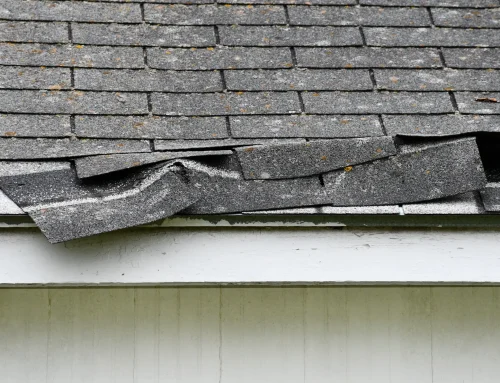
- Age of the roof: If your roof needs replacement soon, get that done first.
- Orientation: South-facing roofs perform best.
- Pitch: Ideal angles range between 15° and 40°.
- Available space: Obstacles such as chimneys or skylights reduce usable area.
- Shade from nearby trees or buildings: Even partial shading can greatly reduce energy production.
Solar panels perform best on sunny, south-facing roofs with limited obstacles.
Many homes in Virginia also have older roofing systems, making it especially important to assess roof condition before installation.
Sunlight & Location Play a Major Role
In Virginia, solar performance can vary depending on tree coverage, seasonal weather patterns, and roof positioning, making a site-specific evaluation especially important.
Solar panels need consistent sunlight in order to generate electricity. Homes in sunny regions naturally produce more energy, but solar can still be viable in less sunny climates—especially with modern, high-efficiency panels. Start by reviewing your property’s annual sunlight exposure, then compare it with your electricity usage.
Energy Usage Determines System Size
You’ll also need to analyze your energy consumption over the last 12 months to determine:
- Average monthly energy use (kWh)
- Seasonal fluctuations
- Current electricity costs
You can find this information on your utility bill. In general, the more electricity your home uses, the larger (and more expensive) your system will need to be.
Incentives, Tax Credits & Timing
Government incentives increase the affordability of solar panels through state and federal tax credits allowing homeowners to deduct up to 30% of installation costs. Keep in mind that policy changes can and do happen over the years, impacting your financial return:
- Incentives may expire or decrease over time
- State and local rebates vary widely
- Eligibility depends on installation timing and system ownership
Timing your solar panel installation properly can translate to thousands of dollars in savings.
In addition, Virginia provides a property tax exemption for solar energy equipment, and solar energy equipment is exempt from sales tax. Read more here.
Financing Options & Payment Structures
It can be daunting to pay for solar panels upfront. You may not have to, thanks to these common financing options:
- Cash purchase: Highest long-term savings
- Solar loans: Spread costs over time with interest
- Leases or power purchase agreements (PPAs): Lower upfront cost but less ownership benefit
Each option affects your total savings and return on investment in various ways. For example, loans increase overall cost due to interest, while leases may limit tax credit eligibility.
Electrical System & Permitting Requirements
Your home may need an electrical upgrade before you can install solar panels. In fact, it should be able to support at least 200 amps to handle a solar system safely and efficiently.
There are other installation factors that can also add cost and time to your project, such as:
- Local permits and inspections
- Utility approvals
- Compliance with homeowner association (HOA) rules
Permitting requirements can vary across Virginia counties, which is why working with an experienced local contractor is key.
Maintenance & Lifespan Expectations
Solar panels don’t need a lot of maintenance, but they may require occasional cleaning or inverter replacement during their lifespan. Most systems last 20–25 years or more, and come with long-term warranties for added peace of mind.
Environmental & Property Value Benefits
Solar panels reduce reliance on fossil fuels and lower carbon emissions, and may increase your home’s resale value as more and more home buyers place a high importance on energy efficiency.
Solar energy technologies don’t produce air pollution or greenhouse gases when operating. According to the U.S. Energy Information Administration, the use of solar energy helps the environment indirectly when solar energy replaces energy sources that can produce harmful emissions.
Drawbacks to Consider
Solar panels in Virginia brings many benefits, but they’re not for every homeowner. Limitations may include:
- High upfront cost
- Dependence on sunlight conditions
- Long payback period in some regions
- Complex installation and permitting
FAQ: Solar Panels & Home Installation
Q: How long do solar panels last?
A: Most solar panel systems last 20–25 years, though some continue producing electricity beyond that timeframe.
Q: Will solar panels eliminate my electric bill?
A: In some cases, yes. Many homeowners significantly reduce or even eliminate their bills.
Q: Do solar panels work in cloudy climates?
A: Yes, but they produce less energy than in sunny regions. Efficiency depends on total annual sunlight, not just daily weather.
Q: What happens if I move?
A: Solar panels can increase home value, but your return will depend on how long you remain in the home. Many systems take several years to fully pay off.
Q: Are solar panels worth it financially?
A: Solar can be a strong investment over the long term, provided your home is a good fit.
Planning Ahead: Making the Most of Your Solar Investment
Solar panel installation requires careful consideration of many factors, from roof and energy usage to costs and incentives. For many homeowners, solar delivers meaningful savings, increased home value, and a lower carbon footprint. Working with experienced contractors in Virginia, West Virginia, and beyond is key in understanding the process and making the most informed decision for your property.